
Peridot
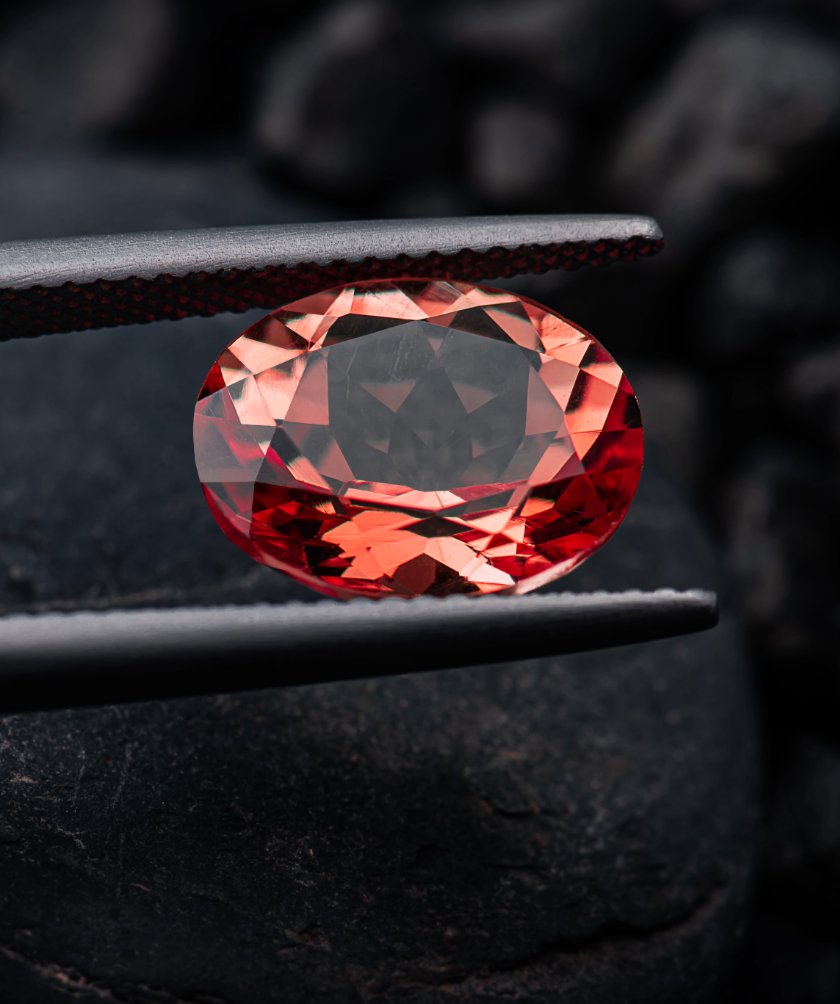
Peridot is one of the few gemstones that occur in only one color — a vibrant lime to olive green — and has been cherished since ancient times for its radiant glow. Often referred to as the “Gem of the Sun,” Peridot was highly prized by Egyptian pharaohs and has been found in ancient jewelry dating back to 1500 BCE. Its brilliant green color comes from the presence of iron in its composition, a magnesium iron silicate known as olivine.
Turquoise: The Gem of Tranquility and Protection
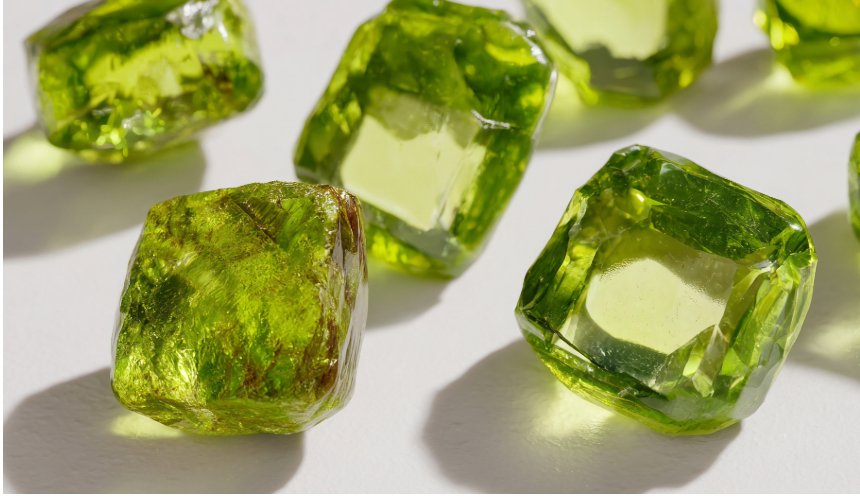
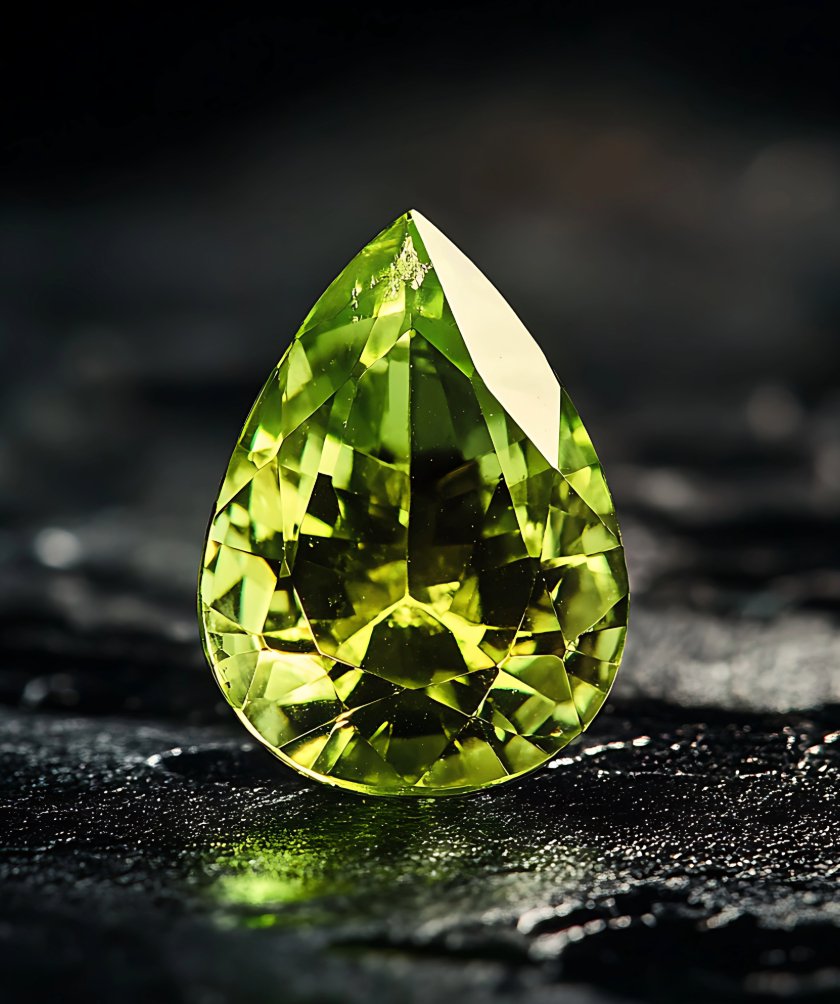
Peridot is one of the few gemstones that occur in only one color — a vibrant lime to olive green — and has been cherished since ancient times for its radiant glow. Often referred to as the “Gem of the Sun,” Peridot was highly prized by Egyptian pharaohs and has been found in ancient jewelry dating back to 1500 BCE. Its brilliant green color comes from the presence of iron in its composition, a magnesium iron silicate known as olivine.
With a hardness of 6.5 to 7 on the Mohs scale, Peridot is moderately durable and suitable for everyday wear, though it should still be handled with care to prevent scratching. The gemstone is typically transparent with good clarity, and fine specimens exhibit a rich, golden-green hue with minimal inclusions. It is commonly used in rings, earrings, pendants, and other jewelry settings, bringing a refreshing pop of color to any design.
Peridot is also associated with positive energy, renewal, and prosperity. As the birthstone for August, it holds a special place in modern and traditional jewelry collections, valued both for its beauty and symbolism.
Stone Name & Alternate Names
-
Stone Name: Peridot
-
Alternate Name: Known as the “Evening Emerald” or “Gem of the Sun” for its vibrant lime-green hue and lore of sunlight-capturing qualities.
Key Properties
-
Color: Lime to olive green—distinct for its pure, glowing tones.
-
Mohs Hardness: 6.5–7, ideal for jewelry with mindful wear.
-
Refractive Index: Medium brilliance, resulting in a warm, sunny sparkle.
-
Clarity: Frequently found clean and eye-visible inclusion-free, enhancing its brilliance.
Where It’s Found
-
Ancient Sources: Has been mined since 1500 BCE in Egypt’s Zabargad Island.
-
Major Sources Today: USA (Arizona), China, Pakistan, Myanmar, Vietnam, Kenya—all offer premium-grade stones.
Available Versions
-
Natural Peridot: The vast majority—valued for its natural purity and vibrant color.
-
Cut & Calibrated Stones: Widely used in mass jewelry; available in matched sets.
-
Treated: Rarely treated—usually sold untreated, retaining natural integrity.
Cultural and Metaphysical Beliefs
-
Lore: Celebrated by ancient Egyptians, Romans, and Greeks for protection and wellness.
-
Lore Link: Believed to guard against nightmares and bring prosperity.
-
August Birthstone: Official alternative to the sapphire for August birthdays.
Care & Maintenanc
-
Cleaning: Warm, soapy water with soft brush—avoid ultrasonic cleaners.
-
Storage: Keep separate from harder gemstones to avoid scratches.