

Spinel
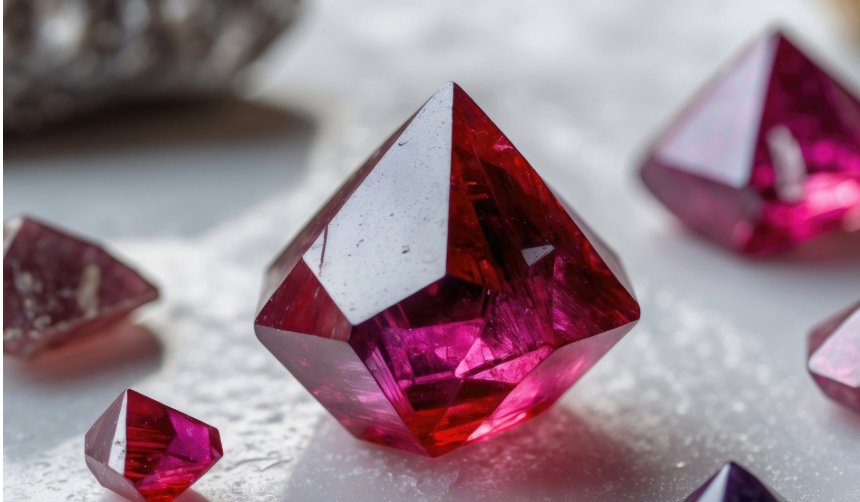
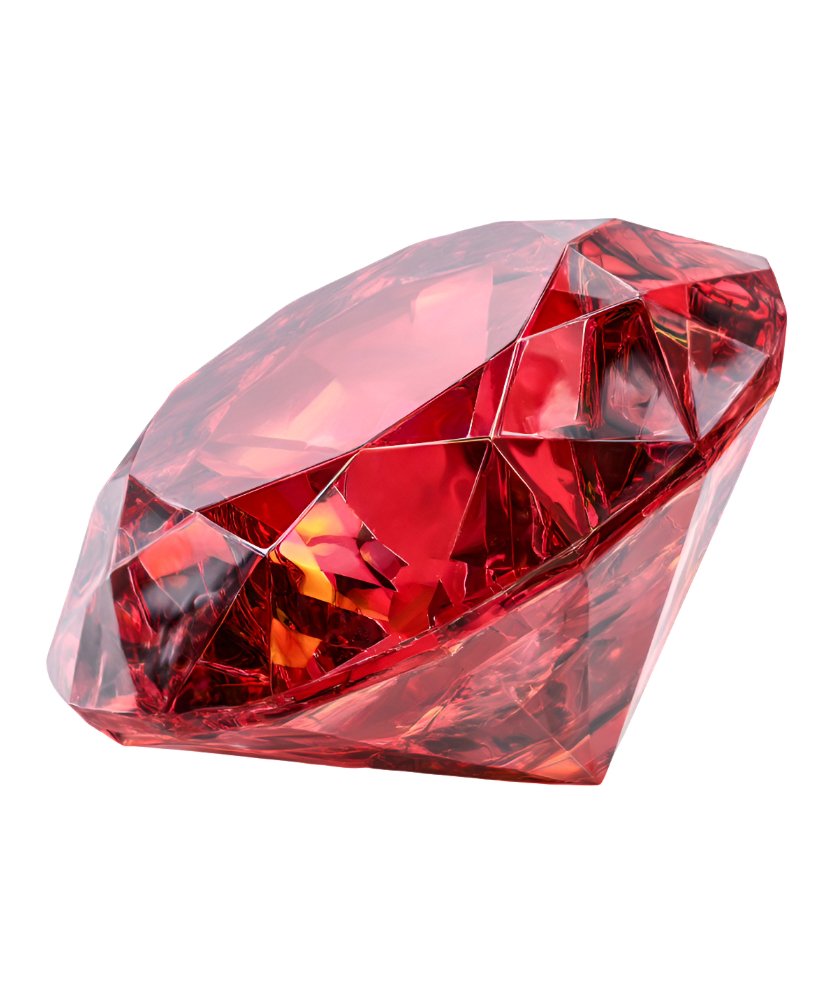
Spinel is a stunning and often underrated gemstone, admired for its vibrant colors and excellent durability. Naturally found in a wide spectrum of shades — including red, pink, lavender, blue, violet, and even black — Spinel was historically mistaken for other precious stones, especially ruby. In fact, many famous “rubies” in crown jewels were later identified as spinels, earning it the nickname “The Great Impostor.”
Turquoise: The Gem of Tranquility and Protection
Spinel is a stunning and often underrated gemstone, admired for its vibrant colors and excellent durability. Naturally found in a wide spectrum of shades — including red, pink, lavender, blue, violet, and even black — Spinel was historically mistaken for other precious stones, especially ruby. In fact, many famous “rubies” in crown jewels were later identified as spinels, earning it the nickname “The Great Impostor.”
Spinel is composed of magnesium aluminum oxide and forms in the cubic crystal system. With a hardness of 7.5 to 8 on the Mohs scale, Spinel is highly durable and perfect for everyday wear. Its exceptional brilliance and clarity make it a popular choice for high-end jewelry. Untreated natural spinels with vibrant hues, especially red and cobalt blue, are highly valued by collectors and gem lovers.
Unlike many other gemstones, Spinel is typically not treated or enhanced, which makes it especially appealing to those seeking natural beauty. It is most often used in rings, pendants, earrings, and fine designer pieces. Spinel is sourced from countries like Myanmar, Sri Lanka, Vietnam, Tanzania, and Madagascar.
Associated with revitalization and inner strength, Spinel is believed to restore energy and bring inspiration. It is also recognized as an official modern birthstone for August, alongside Peridot, giving it a rising profile in the jewelry world.
Stone Name & Alternate Names
-
Stone Name: Spinel
-
Alternate Name: Historically known as “Balas Ruby” — often mistaken for ruby due to its vibrant red hue and royal presence in crown jewels.
Key Properties
-
Color: Spinel comes in a wide range of vibrant colors — including red, pink, orange, violet, purple, blue, and even black. Red Spinel is often mistaken for ruby, while cobalt blue Spinel is among the rarest.
-
Hardness: Ranks 8 on the Mohs scale, making it a very durable gemstone suitable for daily wear.
-
Clarity: Typically very clean, Spinels often form with excellent transparency and minimal inclusions.
-
Refractive Index: Around 1.712–1.718, contributing to its bright luster and excellent brilliance.
Where It’s Found
-
Original Discovery: Historically used in Asia and the Middle East for centuries, Spinel was long confused with ruby in royal crowns and ornaments.
-
Major Deposits: Key sources include Myanmar (Burma), Sri Lanka, Tajikistan, Vietnam, Madagascar, Tanzania, Pakistan, and Afghanistan.
-
Modern Production: Myanmar is famous for its “ruby-like” red Spinels, while modern mines in Vietnam and Africa produce vibrant pink, lavender, and cobalt blue Spinels.
Available Versions
-
Natural Spinel: Most Spinels on the market are natural and untreated, making them desirable for collectors and jewelry lovers alike.
-
Treated Stones: Spinel rarely requires enhancement. However, some stones may be heat-treated to intensify their color — this is typically disclosed by reputable sellers.
-
Synthetic Spinel: Lab-created Spinels exist and are often used in costume jewelry. While they mimic color, they lack the unique optical characteristics of natural Spinel.
Cultural and Metaphysical Beliefs
-
Spinel is known as a stone of rejuvenation, vitality, and empowerment.
-
Believed to aid in emotional recovery, boost positive energy, and inspire a renewed sense of purpose.
-
Different colors are associated with different energies — red Spinel is linked to passion and strength, while blue Spinel is said to promote calmness and inner peace.
-
Often associated with the root and heart chakras, enhancing emotional and physical grounding.
Care & Maintenanc
-
Cleaning: Use mild soapy water and a soft cloth or brush. Spinel is safe in ultrasonic cleaners but avoid steam cleaning for fractured stones.
-
Storage: Store separately from harder gems like sapphire or diamond to avoid surface scratches. Use a soft pouch or compartmentalized jewelry box.