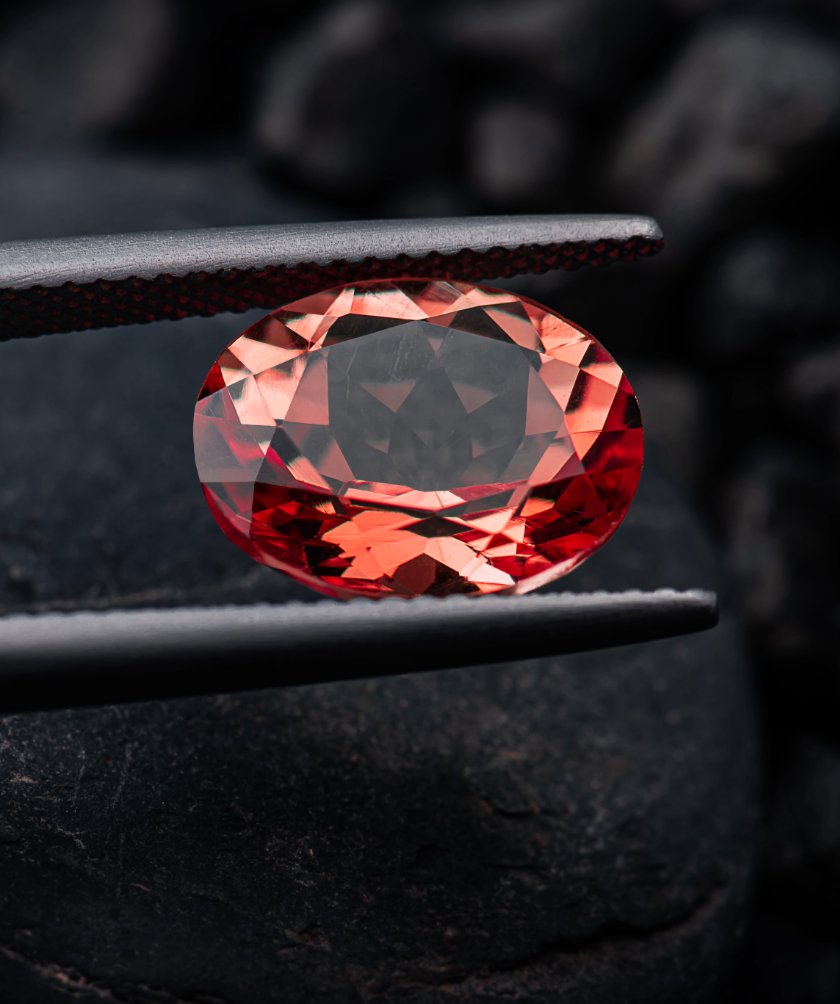

Tourmaline
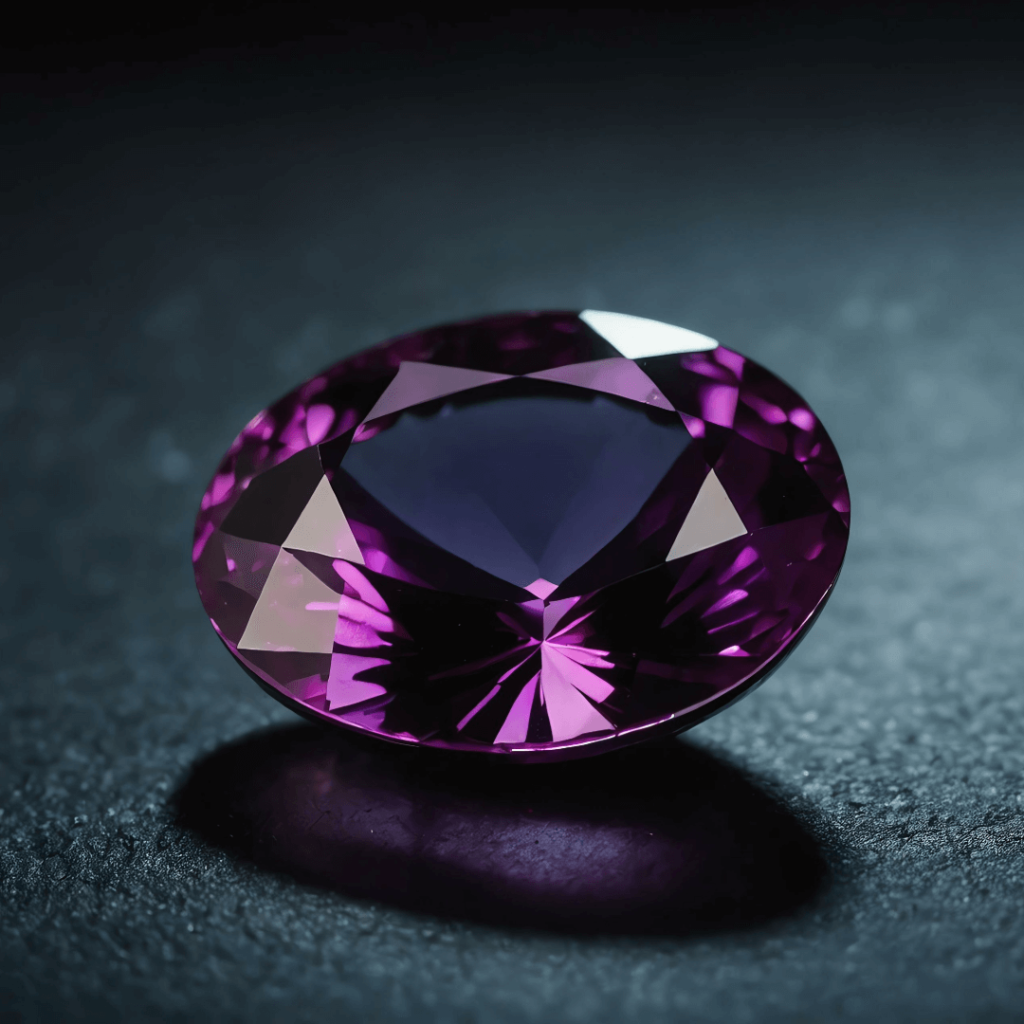
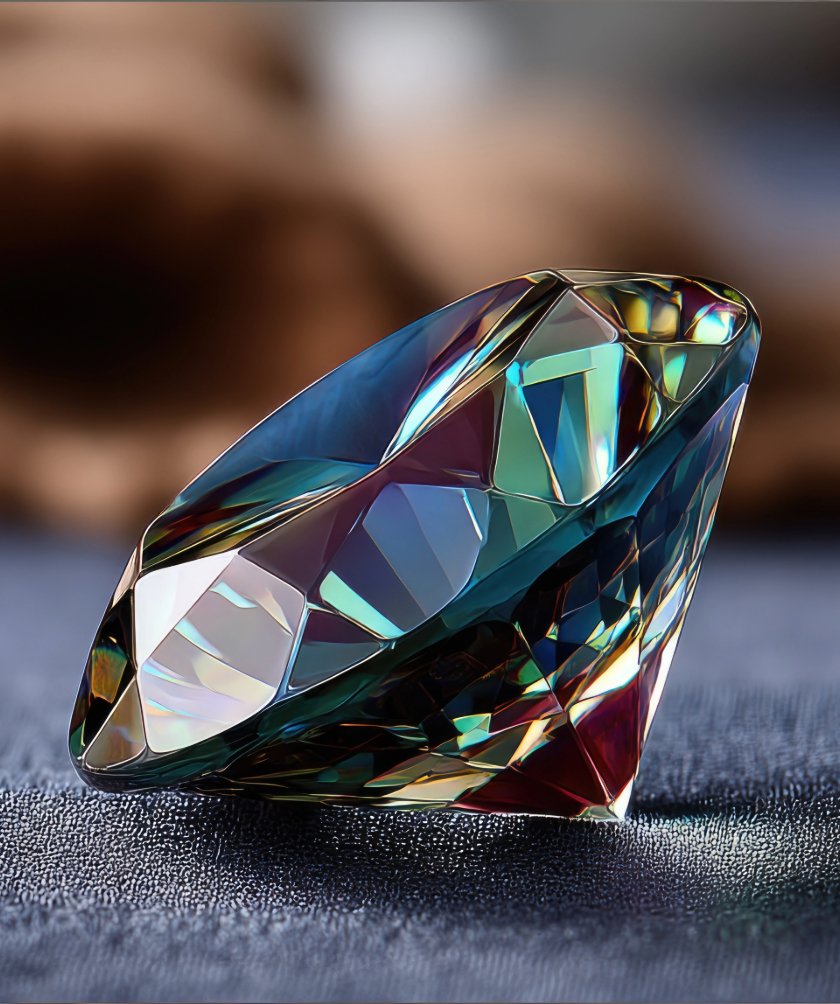
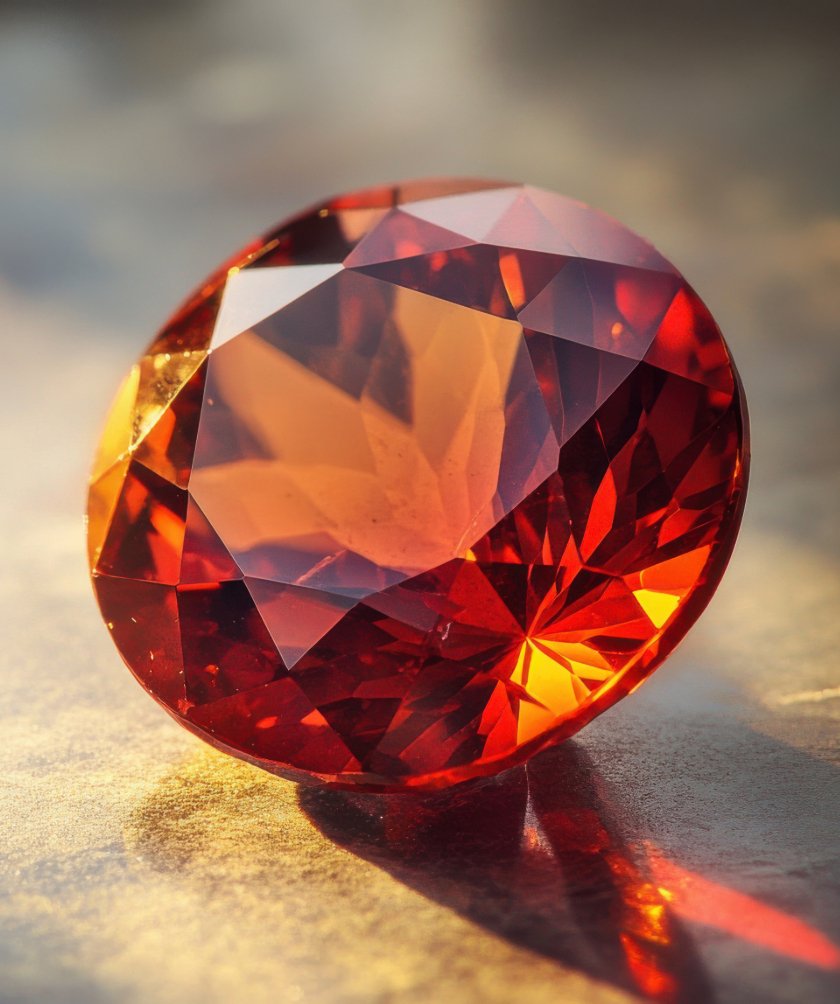
Tourmaline is one of the most diverse gemstones in the world, known for its wide range of colors and types. It comes in nearly every color of the rainbow, from rich reds, pinks, and greens to blues, yellows, and even colorless. Tourmaline is a silicate mineral that occurs in a variety of forms and is often appreciated for its vibrant, intense colors and its ability to exhibit multiple colors within a single stone. It is also known for its unique crystal structure, which can result in fascinating shapes and inclusions that add character and beauty to each stone.
Tourmaline: The Gem of Diversity and Healing
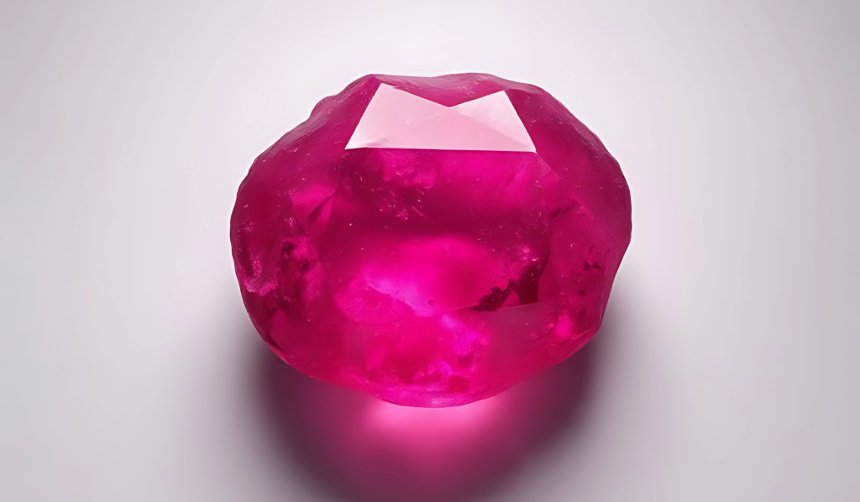
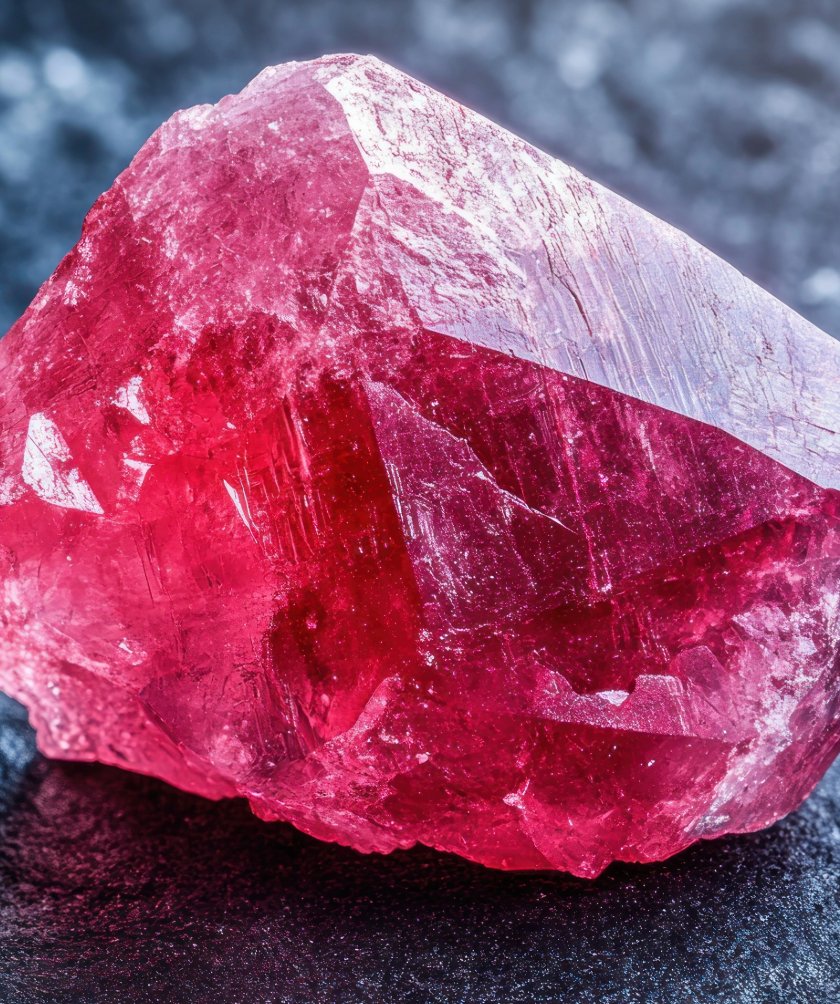
Tourmaline is one of the most diverse gemstones in the world, known for its wide range of colors and types. It comes in nearly every color of the rainbow, from rich reds, pinks, and greens to blues, yellows, and even colorless. Tourmaline is a silicate mineral that occurs in a variety of forms and is often appreciated for its vibrant, intense colors and its ability to exhibit multiple colors within a single stone. It is also known for its unique crystal structure, which can result in fascinating shapes and inclusions that add character and beauty to each stone.
With a hardness of 7 to 7.5 on the Mohs scale, Tourmaline is durable enough for everyday jewelry and is commonly used in rings, necklaces, earrings, and bracelets. The most common and highly prized varieties of Tourmaline include the pink and red Tourmalines (often called Rubellite), green Tourmaline (such as Chrome or Verdelite), and the rare blue Paraiba Tourmaline. Each variety of Tourmaline has its own set of characteristics and color intensities, making it a favorite among gem enthusiasts and collectors.
Stone Name & Alternate Names
-
Stone Name: Tourmaline
-
Alternate Name: Known as the “Rainbow Gemstone” for its wide range of vibrant colors and energetic properties.
Key Properties
-
Color: Tourmaline comes in virtually every color, including pink, red, green, blue, yellow, and even colorless. Some stones even exhibit multiple colors within a single crystal.
-
Hardness: 7 to 7.5 on the Mohs scale, making it durable and suitable for use in everyday jewelry.
-
Clarity: Most Tourmalines have good clarity, though some may have natural inclusions that add uniqueness and character to the stone.
-
Refractive Index: 1.62-1.64, contributing to its brilliance and vibrant colors.
Where It’s Found
-
Original Discovery: Tourmaline was first discovered in Sri Lanka, where its wide color variety was immediately recognized.
-
Major Deposits: Tourmaline is found worldwide, with major deposits in countries such as Brazil, Afghanistan, Sri Lanka, the United States, and parts of Africa.
-
Modern Production: Brazil remains the leading source of Tourmaline, but new deposits have also been found in places like Mozambique, Madagascar, and California.
Available Versions
-
Natural Tourmaline: Most Tourmalines are natural, and the different colors and varieties make it a highly prized gemstone.
-
Treated Stones: Some Tourmaline stones are heat-treated or irradiated to enhance their color, but these treatments are standard and do not diminish the value of the stone.
-
Synthetic Tourmaline: Lab-grown Tourmalines are available as more affordable alternatives to natural stones, but they typically lack the character and vibrancy of natural stones.
Cultural and Metaphysical Beliefs
-
Tourmaline is believed to be a stone of balance and healing. It is thought to provide emotional stability, promote mental clarity, and encourage positivity.
-
The gemstone is associated with the heart chakra and is believed to encourage love, compassion, and creativity.
-
Tourmaline is also considered a protective stone, often used to deflect negative energy and promote a sense of calm and tranquility.
Care & Maintenanc
-
Cleaning: Clean Tourmaline with warm soapy water and a soft cloth. Avoid harsh chemicals and ultrasonic cleaners, as these may damage the stone.
-
Storage: Store Tourmaline separately from harder gemstones, like diamonds, to avoid scratching. Keep it in a soft pouch or jewelry box to protect its surface.