
Emerald
Emerald is one of the most iconic and treasured gemstones in the world, known for its deep, vibrant green color. It is a variety of the mineral beryl, colored by traces of chromium and vanadium, which give it its unique and lush green hue. Emeralds have been admired for thousands of years and are highly regarded for their beauty and rarity.
Emerald: The Gem of Renewal and Prosperity
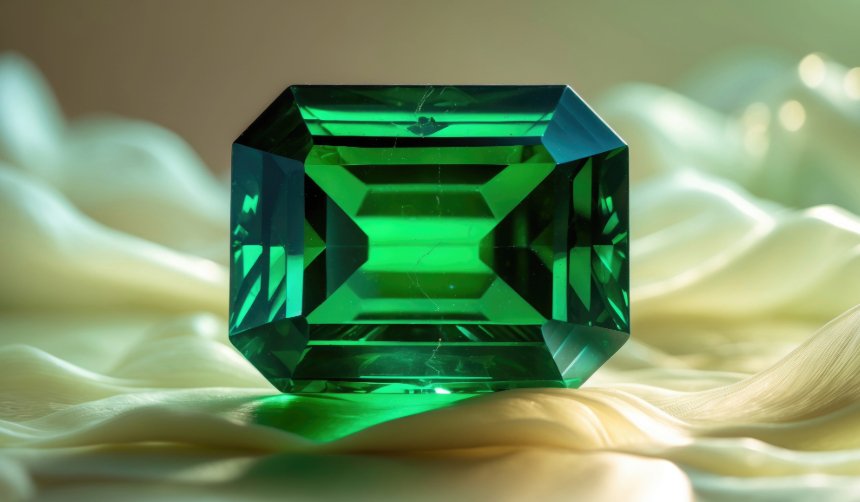
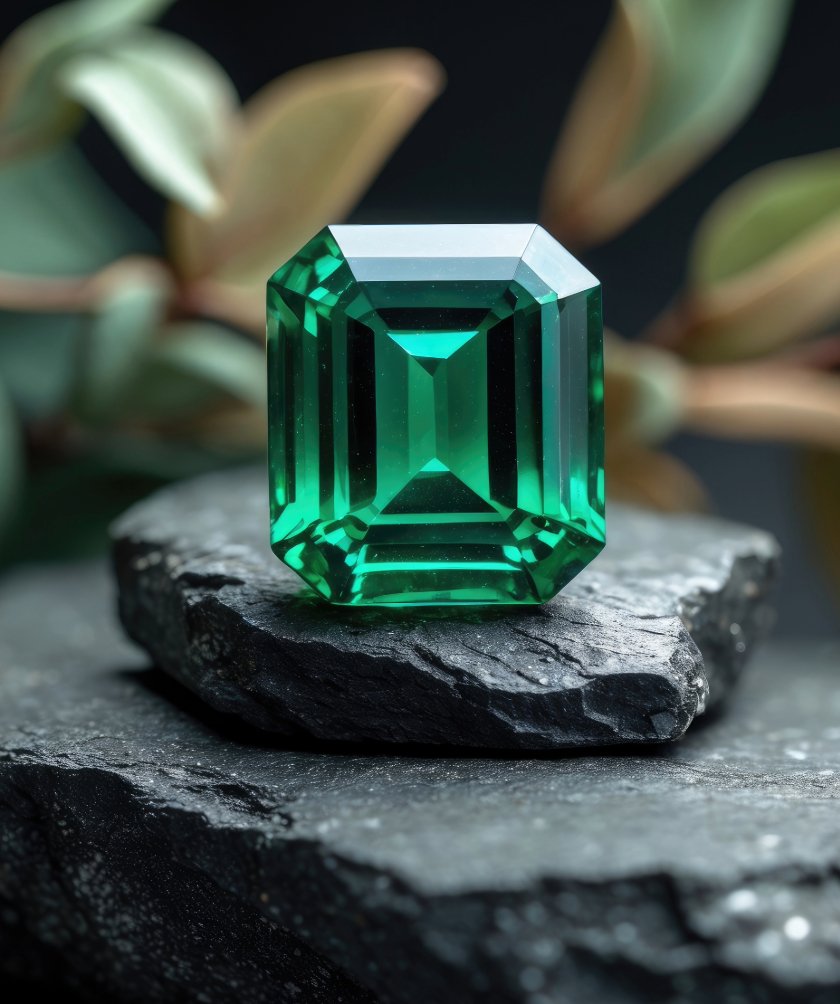
Emerald is one of the most iconic and treasured gemstones in the world, known for its deep, vibrant green color. It is a variety of the mineral beryl, colored by traces of chromium and vanadium, which give it its unique and lush green hue. Emeralds have been admired for thousands of years and are highly regarded for their beauty and rarity. They symbolize renewal, fertility, and growth, with many believing the stone to possess healing and protective qualities.
Emeralds are prized for their vivid color, ranging from rich forest green to lighter, bluish green. They have a hardness of 7.5 to 8 on the Mohs scale, making them durable for use in fine jewelry, though they often contain inclusions, known as “jardin,” which are natural and add character to each stone. The best quality emeralds have a clear, rich color and minimal inclusions, though some inclusions are considered part of the gemstone’s charm. Emeralds are found in various parts of the world, including Colombia, Zambia, and Brazil, with Colombian emeralds being regarded as some of the finest due to their exceptional color and clarity. They are often set in rings, earrings, necklaces, and other fine jewellery.
Stone Name & Alternate Names
-
Stone Name: Emerald
-
Alternate Name: Known as the “Stone of Successful Love” and one of the most treasured varieties of the beryl family.
Key Properties
-
Color: Ranges from rich green to bluish green, with the most prized stones exhibiting a deep, vibrant green color.
-
Hardness: 7.5 to 8 on the Mohs scale, making them durable for jewelry but requiring careful handling due to potential inclusions.
-
Clarity: Emeralds typically contain inclusions, known as jardin, which are natural and can be seen as part of the stone’s character. Higher clarity stones with fewer inclusions are more valuable.
-
Refractive Index: 1.57-1.58, contributing to its brilliance and vivid color.
Where It’s Found
-
Original Discovery: Emeralds have been known since ancient times, and their first significant use is documented in Egyptian tombs dating back to around 3000 BC.
-
Major Deposits: Colombia, Brazil, and Zambia are the main sources of emeralds. Colombian emeralds are particularly valued for their intense green hue.
-
Modern Production: While Colombia continues to produce some of the finest emeralds, new sources, particularly in Zambia, are becoming increasingly important in the global market.
Available Versions
-
Natural Emerald: Most emeralds on the market are natural, and those with rich, vivid color and minimal inclusions are considered the most valuable.
-
Treated Stones: Many emeralds undergo oil or resin treatments to improve their clarity and enhance their color. Such treatments are standard practice and do not diminish the value of the stone if disclosed.
-
Synthetic Emerald: Lab-grown emeralds are available as a more affordable alternative to natural stones, though they may lack the depth of color or character found in natural emeralds.
Cultural and Metaphysical Beliefs
-
Emerald is believed to promote healing, renewal, and growth, making it a powerful stone for rejuvenation and vitality.
-
It is also thought to enhance memory, increase mental clarity, and promote a sense of peace and balance. Historically, it was believed that emeralds had the power to reveal truth and bring about harmony in relationships.
-
Emeralds are often associated with the heart chakra, promoting love, compassion, and emotional healing.
Care & Maintenanc
-
Cleaning: Clean emeralds with warm soapy water and a soft cloth. Avoid ultrasonic cleaners, especially if the emerald has been treated with oil or resin.
-
Storage: Due to their relatively softer nature and potential inclusions, emeralds should be stored separately from harder gemstones to avoid scratches. Keep them in a soft pouch or jewelry box.